
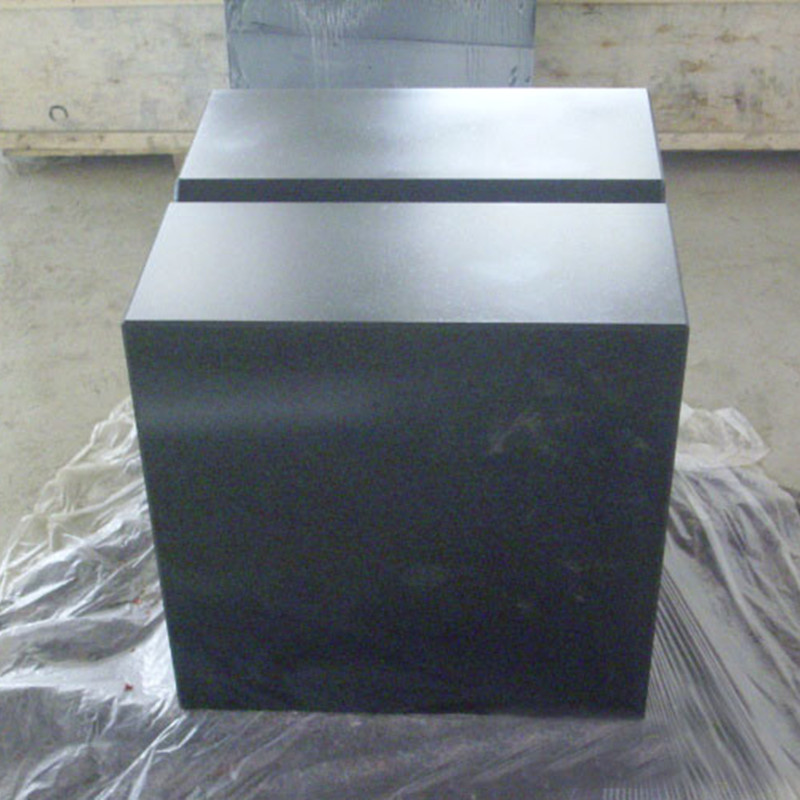
glass with green tint
Understanding OEM Saddle Pipe Clamps A Comprehensive Overview In the realm of industrial and construction applications, the importance of reliable pipe support systems cannot be overstated. One of the key components in this domain is the OEM saddle pipe clamp. This specialized clamp plays a significant role in securing pipes for a variety of projects, ensuring stability, flexibility, and durability. In this article, we will delve into the specifics of OEM saddle pipe clamps, their applications, benefits, and the factors one should consider when selecting them. What are OEM Saddle Pipe Clamps? OEM stands for Original Equipment Manufacturer, which denotes components made by the same company that produces the equipment they are intended to support. Saddle pipe clamps are specifically designed to cradle a pipe and provide a stable mounting point, often featuring a curved saddle that aligns with the pipe's profile. The design ensures even weight distribution across the pipe's surface, minimizing stress concentrations. These clamps often come in various materials, such as stainless steel, carbon steel, and plastic, making them suitable for different environments and applications. The choice of material often depends on factors such as corrosion resistance, thermal expansion, and the specific requirements of the piping system being used. Applications of Saddle Pipe Clamps OEM saddle pipe clamps are used in a wide range of industries, including 1. Construction Essential for securing plumbing and HVAC systems within buildings, ensuring that piping remains stable throughout construction and long after. 2. Oil and Gas Used extensively in pipelines that transport oil and gas. Their robust construction is vital for maintaining system integrity under high pressure and temperature conditions. 3. Water Treatment Ensuring that piping in water treatment plants is securely held in place to prevent leaks and damage. 4. Manufacturing In production facilities where piping systems for fluids or gases are crucial, these clamps support complex arrangements of tubing. 5. Automotive Inside vehicles, these clamps may be used to hold exhaust pipes, ensuring safety and efficiency. Benefits of Using OEM Saddle Pipe Clamps 1. Stability and Support The design of saddle clamps provides superior stability for pipes, reducing vibrations and minimizing stress along the piping system . oem saddle pipe clamp 2. Easy Installation Most OEM saddle pipe clamps are designed for ease of installation, often featuring pre-drilled holes that allow for quick attachment to various surfaces. 3. Customization Being OEM components, they can be tailored to fit specific equipment or installation requirements, ensuring a perfect fit. 4. Durability Made from high-quality materials, these clamps resist corrosion and wear and tear, extending the life of the piping system. 5. Cost-Effectiveness Investing in high-quality OEM saddle pipe clamps can save long-term costs related to repairs and replacements due to premature failure. Considerations When Choosing OEM Saddle Pipe Clamps When selecting the right saddle pipe clamp, several factors should be considered 1. Material Compatibility Ensure the clamp material is suitable for the type of pipe and the environment it will be exposed to. 2. Load Capacity Assess the weight and pressure that the clamp will be supporting, and choose a model that can handle the required load. 3. Size and Dimensions Proper sizing is crucial. The clamp should snugly fit the pipe without causing damage, while also accommodating any thermal expansion. 4. Installation Environment Depending on whether the installation occurs indoors or outdoors, choose clamps that offer the right level of resistance to environmental factors such as UV rays, moisture, and temperature fluctuations. 5. Regulatory Standards Ensure that the chosen clamps comply with industry standards and regulations pertinent to your specific application. Conclusion OEM saddle pipe clamps are an essential component in various industrial and construction applications, providing the support and stability needed for effective piping systems. By understanding their features, applications, and the considerations for choosing the right clamps, professionals can enhance the durability and reliability of their projects. As industries continue to evolve, the role of high-quality OEM components like saddle pipe clamps will remain indispensable in ensuring the efficient functioning of critical systems.
about
glass with green tint
Understanding Thread Gauge Sizes A Comprehensive Guide When it comes to manufacturing and engineering, precision is paramount, especially when dealing with threaded components. Whether in machinery, construction, or everyday items, the threads on screws, bolts, and nuts must fit together perfectly to ensure safety, durability, and effectiveness. One of the critical aspects of ensuring this compatibility is understanding thread gauge sizes. This article aims to delve into the concept of thread gauge sizes, their importance, and how they are measured. What is a Thread Gauge? A thread gauge is a tool that helps determine the size and pitch of the threads on a fastener. It comes in various forms, including thread pitch gauges and wire gauges. The thread pitch is the distance between threads, measured in millimeters for metric threads and threads per inch (TPI) for imperial threads. Proper gauging of threads is essential for ensuring that fasteners can be tightened and remain secure under stress. Types of Thread Gauge Sizes Thread gauge sizes can be categorized into several types based on the measurement system used 1. Imperial (Unified) Thread Sizes Common in the United States and a few other countries, imperial sizes are generally measured in inches. The sizes typically indicated include fractions of an inch as well as TPI. For instance, a 1/4-20 bolt means it has a diameter of 1/4 inch and a thread pitch of 20 threads per inch. 2. Metric Thread Sizes Predominantly used in most parts of the world, metric sizes are measured in millimeters. For instance, an M6 bolt has a nominal diameter of 6 mm, and the thread pitch is usually 1 mm. Metric thread sizes can also indicate pitch, with designations like M5x0.8 (where 0.8 is the thread pitch). 3. Specialty Thread Sizes Additionally, some applications may require specialized thread sizes, such as trapezoidal or acme threads, which are often used in mechanical applications involving motion transfer. How Thread Sizes are Measured Measuring thread sizes can be done through various methods, using tools designed for this purpose thread gauge sizes - Thread Pitch Gauge This is a flat piece of metal with serrated edges to match the thread patterns accurately. By placing the gauge against the threads, one can determine the pitch and ensure compatibility. - Calipers Measuring the diameter of the bolt or screw can also be done with calipers, which give an accurate reading of the size. It is essential to take measurements correctly, as even slight discrepancies can lead to fitting issues. - Thread Measuring Wires These are used to measure the effective diameter of a thread. By wrapping wire around the threads and measuring it, you can calculate the pitch diameter, which is crucial for making precision fasteners. The Importance of Accurate Thread Gauging Accurate thread gauging holds immense significance in many applications - Safety In construction and automotive industries, the structural integrity is heavily reliant on the precision of threaded components. A faulty fit can lead to catastrophic failures. - Efficiency In manufacturing, standardized thread sizes allow for compatibility across various components, reducing the likelihood of mistakes and speeding up assembly processes. - Cost-Effectiveness Properly gauged threads reduce the need for rework due to mismatched sizes, leading to savings in time and material costs. Conclusion Understanding thread gauge sizes is essential for anyone involved in manufacturing, engineering, or repairs. Whether using imperial or metric systems, ensuring that threads fit together correctly will lead to safer and more reliable products. By employing the right measuring tools and techniques, professionals can maintain precision in their work, ultimately enhancing product quality and operational efficiency. In a world where the smallest miscalculations can lead to significant problems, grasping the intricacies of thread gauge sizes is not just beneficial; it’s imperative.
-

High quality industrial productsagement

High quality industrial products
View Details -

Meet the diverse needs of customers

Meet the diverse needs of customers
View Details -

Strict quality control

Strict quality control
View Details -

Top raw materials

Top raw materials
View Details -

Trusted supplier

Trusted supplier
View Details
Our application


news and information
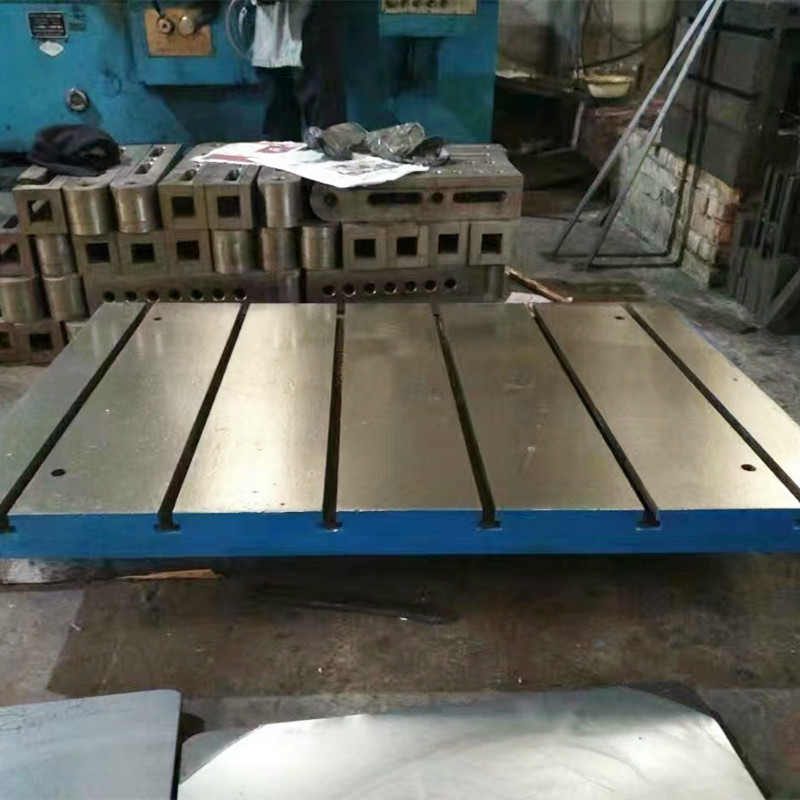
vibration mounting pad
The Importance of Vibration Mounting Pads in Industry In today's fast-paced industrial environment,
y shaped strainer
The Y-shaped strainer, a relatively lesser-known but essential component in various industries, play
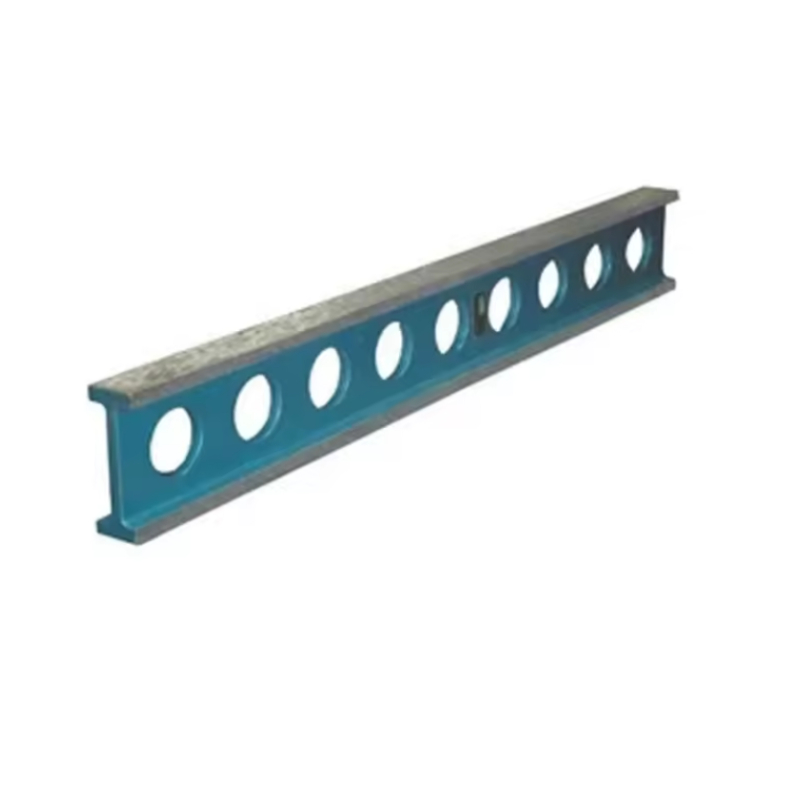
Valvola a saracinesca elettrica a tenuta morbida
La scelta e l'utilizzo corretti di una valvola a saracinesca da 150 mm sono fondamentali in numerose
 English